Diane Abbott under investigation again - what does this mean for other ethnic minorities?
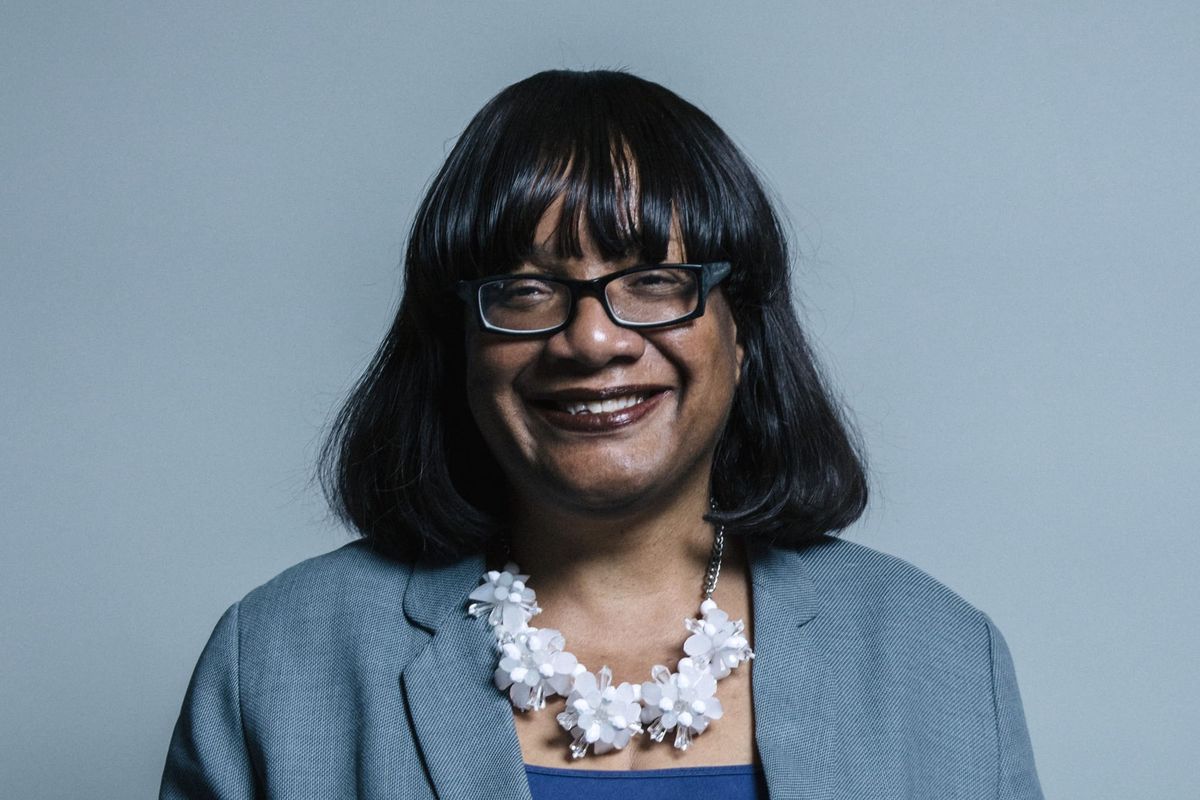
Following comments made in a recent BBC interview, Diane Abbott is once again being suspended from Parliament whilst Labour investigates her statement regarding racism.
Abbott, who earned the title ‘Mother of the House’, claimed recently that, “I just think that it's silly to try and claim that racism which is about skin colour is the same as other types of racism.” This comes following her previous suspension in 2023 for remarks of similar sentiment, which she then removed and apologised for, but now claims she does not regret.
These comments sparked outrage as they allegedly have hurt the sentiments of certain ethnic groups, specifically the Irish, Roma Travelers and the Jewish community. This could be due to the misleading reporting surrounding her claims, where some sources online suggest that Diane Abbott outright claims that these groups do not experience racism. This is not the case, however as in truth she claims that there are differences in the level of prejudice faced by communities, and that when ones appearance is visibly different, for example due to the colour of their skin, that people are more likely to act on certain prejudices compared to those who are less likely to be seen by racists as a threat.
The events that followed have however caused some alarm; Abbott has been an MP and a vocal campaigner against racism since 1987. She was the first black woman to become an MP and has been an activist standing up for all members of her constituency which, coincidentally, consists of one of the largest Orthodox Jewish communities in the world with some 30,000 members in Stamford Hill alone.
Starmer’s choice to suspend the Mother of the House does raise the question, what does this mean for other ethnic minorities? If the status of what constitutes racism is not permitted to be debated by an MP with lived and documented experiences of prejudice, who is deciding what racism does and doesn’t look like? This is an issue that goes beyond just the black community, it impacts all of those who look different. And to say that any two experiences of racism are the same would be a drastic simplification and a display of ignorance to what is a serious issue that needs to be tackled in society.
The experience of racism is not 'worse' or 'better' for anyone which is what many people seem to think Abbott was alluding to. This is not the truth. From all accounts it is clear that she simply stated all racism is 'different' and with this discourse opens up the chance to tackle all types of racism and prejudice more broadly (such as sexism or homophobia) using tactics and activism that can be more easily focused on smaller groups rather than labelling this as some 'universal' issue that can be dealt with by just telling people to ‘play nice’.
Areas like London, where the population is approximately 46% non-white, consists of minorities that are Black (~13%), Asian (~20%) and Mixed (~5%). In these statistics, there are people, real people with real stories who have all faced hardships. From naturalised first generation immigrants who navigated a new land to carve out a life for their family to British born BAME individuals who have been too different to be British, but too British to belong fully to their heritage. Within these various tales, there are undoubtably experiences of racism. Where some may share similar experiences, others may have experienced different forms of prejudice, which individuals like Diane Abbott have been vocal about for their entire political careers.
To now have a government step in and undermine the work of Abbott in dissecting and understanding the scars of different communities is a rather disappointing turn of events for every ethnic minority in the UK.
This is a clear example, in real time, of a story being rewritten, of a legacy being undone by the current government who seem to have forgotten who they are. The Labour party that Diane Abbott had joined in 1987 had seen massive support by ethnic and religious minorities, and the working class. It is possible that Sir Keir Starmer is tightening up on discipline within the Labour party following his decision to make welfare cuts, that Abbott conveniently voted against. This could then be the Prime Minister displaying his power and insisting that all MP’s under him in the Labour Party agree with him or else. If this is, however, Sir Keir trying to ‘redefine’ racism and invalidating all the work Abbott has put in to her activism, this could be much more dangerous for all ethnic minorities across the board.